


Keto Diet: Low Carb Recipes
4.51.01K Reviews
App Specs
- Version
- 18.5
- Updated On
- License
- Free
- Downloads
- 500,000+
- Developer
- kiran chavan
- Categories
- Food & Drink
- Platform
- Android
Screenshots


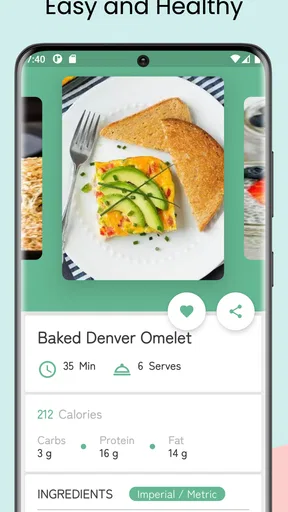
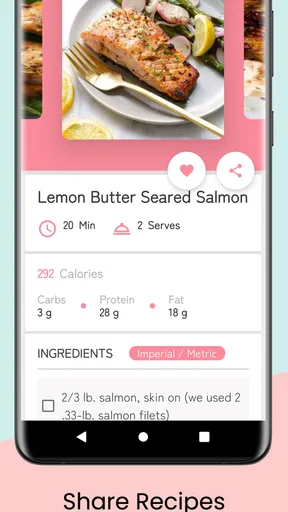
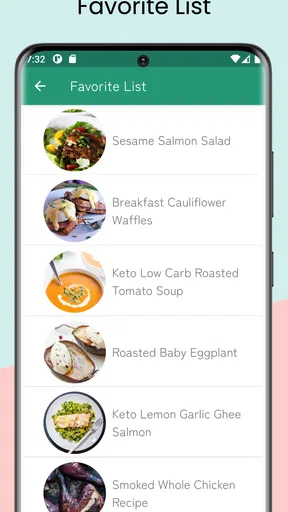
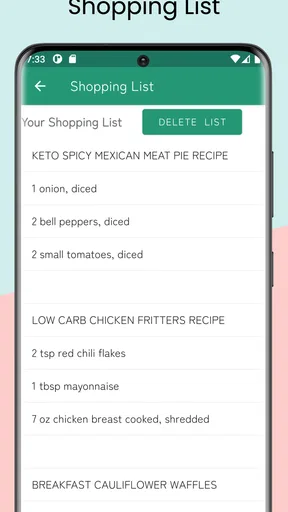
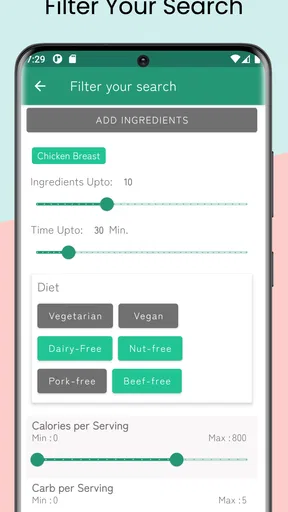
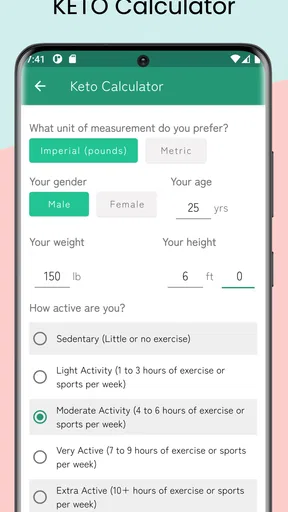
 Analysis by AppCompare
I started using Keto Diet: Low Carb Recipes because I wanted a more practical way to plan low-carb meals at home, not another collection of impressive food photos that leaves me wondering what to cook on a busy evening. This free Food & Drink app, created by kiran chavan, is aimed at people following keto eating and looking for recipe ideas they can return to during ordinary shopping and cooking routines.
My first impression was that its value depends less on one spectacular feature and more on how consistently it helps turn a diet goal into a meal decision. That makes it especially interesting in a shared household, where one person may be following keto while other people still want familiar food. I found it most useful as a common reference point: one person can browse ideas, another can help shop, and the household can decide which recipes are realistic before anyone starts cooking.
How it works when more than one person uses it
A shared-device scenario makes sense here. Imagine one person checking recipes in the kitchen while a partner or housemate is preparing ingredients. The app can act as the starting point for that conversation, but it should not be treated as a complete household meal-management system. Its purpose is recipe discovery, so coordination still happens through your normal notes, messages, shopping list, or spoken plan.
That distinction matters. I would not expect the app to separate several people’s dietary profiles or maintain an individual account for every member of a family. Instead, I would use it as a communal cookbook. Before opening a recipe, I would agree on who is eating it, whether the ingredients suit everyone, and whether the preparation time fits the evening. That small pause prevents a common keto mistake: choosing a recipe because it looks suitable, then discovering that nobody else at home wants it.
For a couple, the simplest workflow is to choose a few meals together and decide which ones are genuinely shared. A household member who is not following keto can then add a side dish separately, while the main recipe remains low in carbohydrates. This is more flexible than cooking two entirely different dinners. It also helps avoid presenting the app as a medical or nutritional authority for every person at the table.
In my experience, recipe apps become less useful when they are treated as passive scrolling tools. I got more from this one by opening it with a specific question: what can I cook tonight, what ingredients do I already have, or which meal can be prepared without making the rest of the household wait? Those questions narrow the choice and make the app feel more practical.
Setting boundaries before cooking
Because the app is free to download and suitable for Everyone, it is easy to place on a shared phone or tablet. That accessibility is convenient, but it does not remove the need for household boundaries. If several people use the same device, I would keep recipe decisions separate from personal health decisions. A teenager might browse a recipe with an adult, but that does not mean the app should determine what a growing person ought to eat.
Worth Reading Before You Choose

EA SPORTS FC Mobile 26 Is a Bigger Football Game, but It Takes Time

Flipboard Shows What News Apps Must Do Beyond the Feed

Switching to Android Auto Means Rethinking Your Driving Routine

Google Calendar Makes a Crowded Week Easier to Manage

Ludo King Makes the Most of the Minutes Between Plans

Baby Panda World Brings Quick Play to Modern Phones, but Its Game Library Feels Busy
The same applies to anyone managing diabetes, food allergies, kidney concerns, pregnancy, or another condition that affects diet. I would use the recipes as ideas and verify ingredients and portions with the appropriate professional guidance. “Keto” is a broad label, and a recipe that fits one person’s plan may not fit another person’s medical needs. The app is most sensible as a cooking aid, not as a substitute for individualized advice.
I also recommend checking every ingredient before shopping. A low-carb title does not automatically answer questions about serving size, hidden sugars, processed ingredients, or substitutions. In a shared kitchen, this check is particularly important because one person may be avoiding an ingredient that another person regularly buys. Reading the recipe together is a better habit than assuming the label settles every dietary question.
There is another useful boundary around expectations. The app is not the same as a full meal planner with a synchronized household calendar, pantry inventory, or personal nutrition dashboard. If those tools are central to your routine, a dedicated planning service may be a better companion. I would still keep this app for ideas, but I would not force it to manage tasks it was not designed to handle.
Coordinating meals without creating extra work
The strongest household workflow I found is a two-step selection process. First, choose recipes that match the keto goal. Then, remove anything that fails the practical test: too many unfamiliar ingredients, inconvenient preparation, or no appeal to the people who will actually eat it. This sounds obvious, but it saves time and reduces the frustration of collecting recipes that never leave the screen.
A useful trick is to use one recipe as the anchor for a flexible meal. For example, a keto main dish can be served with a separate non-keto side for other household members. This keeps the core preparation shared while allowing different preferences at the table. It is often more realistic than expecting everyone to adopt the same eating pattern immediately.
I would also make a short shopping note while browsing rather than waiting until the supermarket. Record the ingredients you need, then check the kitchen before buying anything. Recipe apps can encourage unnecessary shopping because every new idea appears to require a new set of products. In a household budget, choosing recipes that reuse ingredients is a major advantage, even when the app itself does not organize that process for you.
Another practical approach is to assign the app different roles. One person can look for the main meal, another can review substitutions, and the cook can make the final decision based on time and equipment. This makes shared use feel cooperative instead of turning the person following keto into the only person responsible for planning dinner.
When I used this kind of workflow, the app was most helpful on days when I had a broad ingredient already available. Searching for an idea around chicken, eggs, vegetables, or another item in the refrigerator is more efficient than browsing without a plan. It also reduces food waste, which is an important benefit that is easy to miss when judging a recipe collection only by its number of dishes.
What the app is like for different ages and levels of trust
The Everyone content rating makes the app approachable for general household use, and the subject is naturally suitable for adults and older children who enjoy helping with cooking. Still, age-appropriate use depends on supervision and context. A child can help choose vegetables or read simple preparation steps, but an adult should handle heat, sharp tools, allergy checks, and decisions about restrictive eating.
I would be especially careful about how keto is discussed with younger users. A recipe app can make a diet appear like a set of simple rules, while healthy eating for children is more nuanced. The app works better as a way to discover meals the family can prepare together than as a reason to place every household member under the same restriction.
Trust also matters when several people share one device. If someone changes a recipe choice, deletes a note, or makes a substitution, the others may not know what happened. Since I would not rely on the app as a household communication hub, I would confirm important changes in a shared message or written list. That is a small extra step, but it prevents misunderstandings when dinner depends on a particular ingredient.
For adults living alone, these concerns are simpler. The app can function as a personal recipe shelf, and there is no need to negotiate preferences. Even then, I would keep a realistic distinction between inspiration and a complete dietary plan. The app can help answer “what could I cook?” It does not automatically answer “is this the right overall diet for me?”
Everyday strengths and the friction I noticed
The main strength is focus. Instead of mixing general desserts, restaurant listings, and unrelated cooking content into the same experience, it concentrates on low-carb recipe discovery. That makes it more useful than a general recipe app when I already know the type of eating plan I want to explore.
Its free price also lowers the barrier to trying it. The app has reached over 500 thousand installs, and its average rating is 4.5 from roughly 5.7 thousand ratings, which suggests that many people find the basic idea worthwhile. I would treat those figures as a sign of interest rather than proof that every recipe will suit every kitchen. Taste, ingredient availability, and dietary targets still vary widely.
The trade-off is that a focused recipe app may not replace the broader tools people use around cooking. A general recipe platform can be better for advanced filtering, family meal calendars, detailed ingredient substitutions, or combining several dietary preferences. A nutrition tracker may be better when exact macro recording is the priority. I would choose this app when recipe inspiration is the problem, not when I need an all-in-one food-management system.
There is also a possible friction around in-app purchases, which range from about two dollars to twelve dollars per item. The app remains free to start, but I would pay attention to what is included before making a purchase. For a casual user, the free experience may be enough to decide whether the recipe collection fits their routine. For a committed user, a paid item could be worthwhile only if it adds something they will use repeatedly rather than simply expanding an already long list of ideas.
The current version is 18.5, and the app requires at least Android 9. That is not a problem for many recent phones, but anyone using an older Android device should check compatibility before planning around it. I also prefer installing and browsing on a device with a comfortable screen, especially when the phone is propped up in the kitchen. A small screen can make recipe reading less pleasant, even when the content itself is useful.
Who should use it, and who should look elsewhere
I think it is a good fit for someone who has recently started keto eating and needs a steady stream of meal ideas. It is also useful for an experienced home cook who wants to break out of a repetitive rotation. Shared households can benefit when one person follows keto but still wants meals that can be adapted for everyone else.
It is less suitable for someone who wants precise medical nutrition guidance, automated household coordination, or an exhaustive system for calculating every meal. People with several serious dietary restrictions should also approach each recipe as a starting point and inspect the ingredients carefully. If your main goal is weight training nutrition, allergy management, or detailed macro accounting, a specialized app may be more appropriate.
I would not recommend using it as the only source of meal planning for a large family unless someone is willing to do the organizational work outside the app. It can supply ideas, but a household still needs a shopping plan, portion decisions, substitutions, and agreement about what everyone will eat. That is not a flaw so much as an important limit on what a recipe-focused tool can reasonably do.
My household verdict
After using Keto Diet: Low Carb Recipes, I see it as a straightforward companion for low-carb cooking rather than a complete diet-management platform. Its best role is helping me move from “I should cook something keto” to a concrete meal that can be discussed, adapted, and prepared at home.
I like that it is free to begin, broadly accessible, and focused enough to avoid the distraction of a general food app. I also appreciate that it can fit a shared kitchen when everyone treats the recipes as a starting point and communicates about ingredients and preferences. The developer, kiran chavan, has kept the central purpose clear: give keto-focused users a place to find recipe inspiration.
My recommendation comes with a simple condition: use it alongside your own judgment. Check ingredients, consider the needs of every person eating, and do not confuse a recipe label with personal medical advice. For a household that wants flexible low-carb ideas without committing to a complicated planning system, I think it is worth trying. For users who need synchronized family accounts, detailed nutrition analysis, or tightly managed dietary rules, another type of app will probably serve them better.
Overall, I would keep it on a shared kitchen device if at least one person in the home regularly cooks keto meals. Its value grows when the household turns browsing into cooperation: choose a realistic recipe, adapt the sides, verify the ingredients, and cook something people will actually enjoy. That practical workflow is where this app makes the strongest impression.
Pros
- Large collection of low-carb recipes for different meals.
- Helpful meal ideas for users following a ketogenic lifestyle.
- Recipes use familiar ingredients that are easy to find.
- Useful for planning meals and reducing everyday food guesswork.
- Suitable for beginners exploring keto-friendly cooking.
Cons
- Some recipes may require specialty ingredients or kitchen equipment.
- Nutritional information may vary depending on ingredient brands and portions.
- The app may not replace advice from a qualified nutrition professional.
- Strict keto plans can be difficult to maintain over long periods.
- Recipe variety may feel limited for users with dietary allergies.
FAQs for Keto Diet: Low Carb Recipes
What is Keto Diet: Low Carb Recipes?
Keto Diet: Low Carb Recipes is a recipe and meal-planning app designed for people following a ketogenic or low-carbohydrate eating plan. It provides ideas for breakfast, lunch, dinner, snacks, and desserts, generally focusing on ingredients that are high in healthy fats and low in carbohydrates. The app can be useful for beginners who need inspiration as well as experienced users looking for new meals.
Does the app provide a complete keto meal plan?
The app mainly serves as a collection of low-carb and ketogenic recipe ideas, although the exact planning tools may depend on the version you install. Users should check whether features such as weekly schedules, shopping lists, nutritional information, or personalized plans are included on their device. It is helpful for organizing meals, but it should not automatically be treated as a medically supervised diet program.
Are the recipes suitable for beginners?
Most recipes are intended to be accessible to home cooks, with ingredient lists and preparation instructions that make it easier to understand the basic process. However, difficulty can vary from one dish to another, and some recipes may require ingredients that are less common or more expensive. Beginners should start with simple meals and confirm serving sizes, cooking times, and carbohydrate amounts before preparing them.
Can I use this app if I have diabetes, allergies, or other health conditions?
The recipes may offer useful low-carbohydrate inspiration, but the app should not replace advice from a doctor or registered dietitian. People with diabetes, kidney disease, pregnancy-related nutritional needs, eating disorders, or food allergies should review ingredients and nutritional information carefully. Medication requirements and carbohydrate targets can differ significantly, so consult a qualified healthcare professional before making major dietary changes.
Is Keto Diet: Low Carb Recipes free to download and use?
Availability and pricing can vary depending on whether you use the Android or iOS version and on the developer’s current business model. The app may be free to download while offering advertisements, optional purchases, subscriptions, or premium recipe features. Before confirming installation or payment, review the store listing for current pricing, in-app purchase details, privacy permissions, and cancellation terms.


